














Background
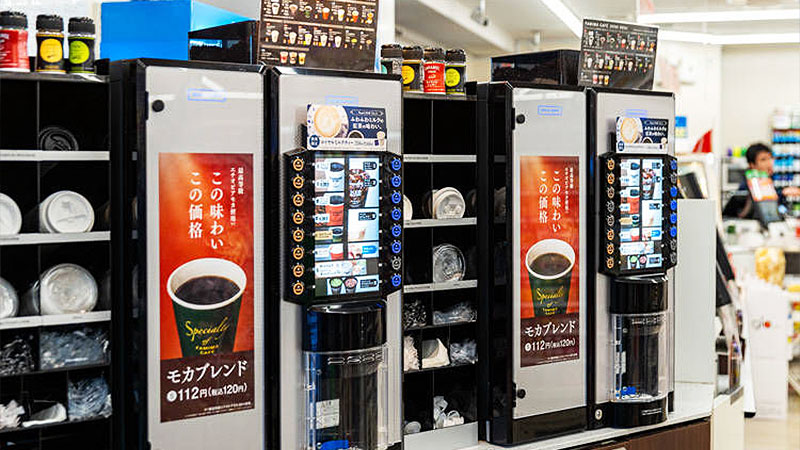
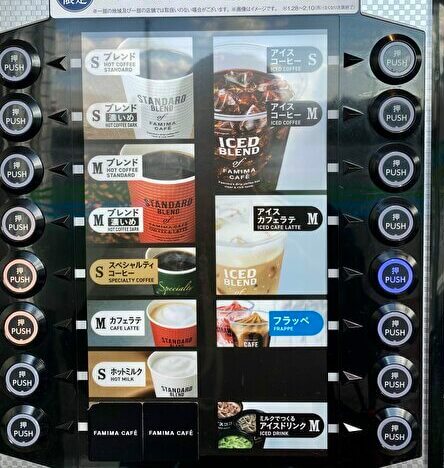
Recognizing the increasing popularity of affordable, freshly ground coffee among young office workers (costing approximately one-third that of brand-name coffee shops), convenience stores are leveraging coffee sales to enhance customer traffic and overall revenue. In response to this trend, a large convenience store has decided to significantly expand its self-service coffee offerings. The store upgraded from older machines providing 6 flavor options to new, advanced machines boasting a selection of 16 flavors. This strategic move reflects the store's commitment to attracting a wider customer base and increasing profitability.
Challenge
The convenience store aimed to modernize its self-service coffee infrastructure to improve both the customer experience and operational capabilities. The existing, mechanically operated coffee machines presented several limitations:
- Limited Selection: The previous machines only offered a narrow range of 6 coffee flavors, potentially limiting customer satisfaction and repeat business.
- Lack of Flexibility and Scalability: The mechanical design hindered the ability to easily introduce new features, services, or beverage options in the future.
- Basic User Interface: The older machines likely offered a less engaging and informative experience for customers.
- The core challenge was to implement a more advanced, user-friendly, and scalable system that could cater to evolving customer preferences and provide a platform for future enhancements.
System Architecture
The newly deployed self-service coffee machine is built around a sophisticated computer system, representing a significant technological advancement over the previous mechanical models. The key architectural elements include:
- Central Processing Unit: A robust IEC-15 commercial Android computer host, developed by TES, serves as the core of the system. This unit was selected for its integrated design and electromechanical capabilities.
- User Interface: A responsive 15-inch TES IEC-15A1 Touch All-in-One display panel provides an intuitive interface for customers, offering more detailed information and guidance throughout the selection and brewing process.
- Operating System: A custom Android OS powers the system, enabling tailored sales configurations and facilitating remote management through a backend system.
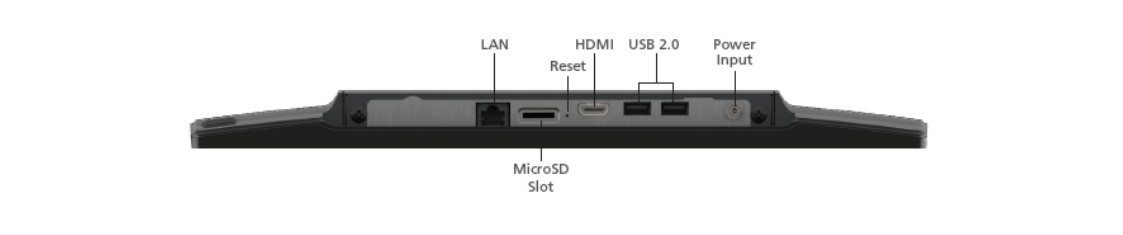
- Peripheral Connectivity: The system features a comprehensive expansion interface, allowing for the connection of additional peripherals to enhance functionality in the future.
- Design and Thermal Management: The machine features a space-saving low-profile body and supports flush installation. A fanless cooling system ensures reliable and quiet operation.
The TES IEC-15A1 Touch All-in-One unit is the central component, offering enhanced service functions and greater expandability compared to traditional self-service coffee machines.
Benefit and Result
The implementation of the new 16-flavor self-service coffee machines, powered by the advanced TES computer system, is expected to yield several key benefits and results for the convenience store:
- Increased Turnover: The store anticipates a significant 10% increase in overall turnover directly attributed to the upgraded coffee offering and the enhanced customer experience.
- Enhanced Customer Satisfaction: The wider variety of 16 flavors is expected to appeal to a broader range of customer preferences, leading to higher satisfaction and repeat business.
- Greater Scalability and Flexibility: The computer-based system allows for easier integration of future features, services, and beverage options, ensuring the store can adapt to evolving market demands.
- More Engaging User Experience: The large, responsive touchscreen provides customers with more information and a more intuitive interaction, potentially leading to increased usage and exploration of different options.
- Streamlined Management: The backend management system, enabled by the custom Android OS, allows for efficient configuration of sales settings and potentially remote monitoring and maintenance.

The core challenge was to implement a more advanced, user-friendly, and scalable system that could cater to evolving customer preferences and provide a platform for future enhancements.


QR Code Sharing
Screenshot Share


 关闭返回
关闭返回